Nutrition for Cycling and Endurance
Fueling long training blocks without the crash.
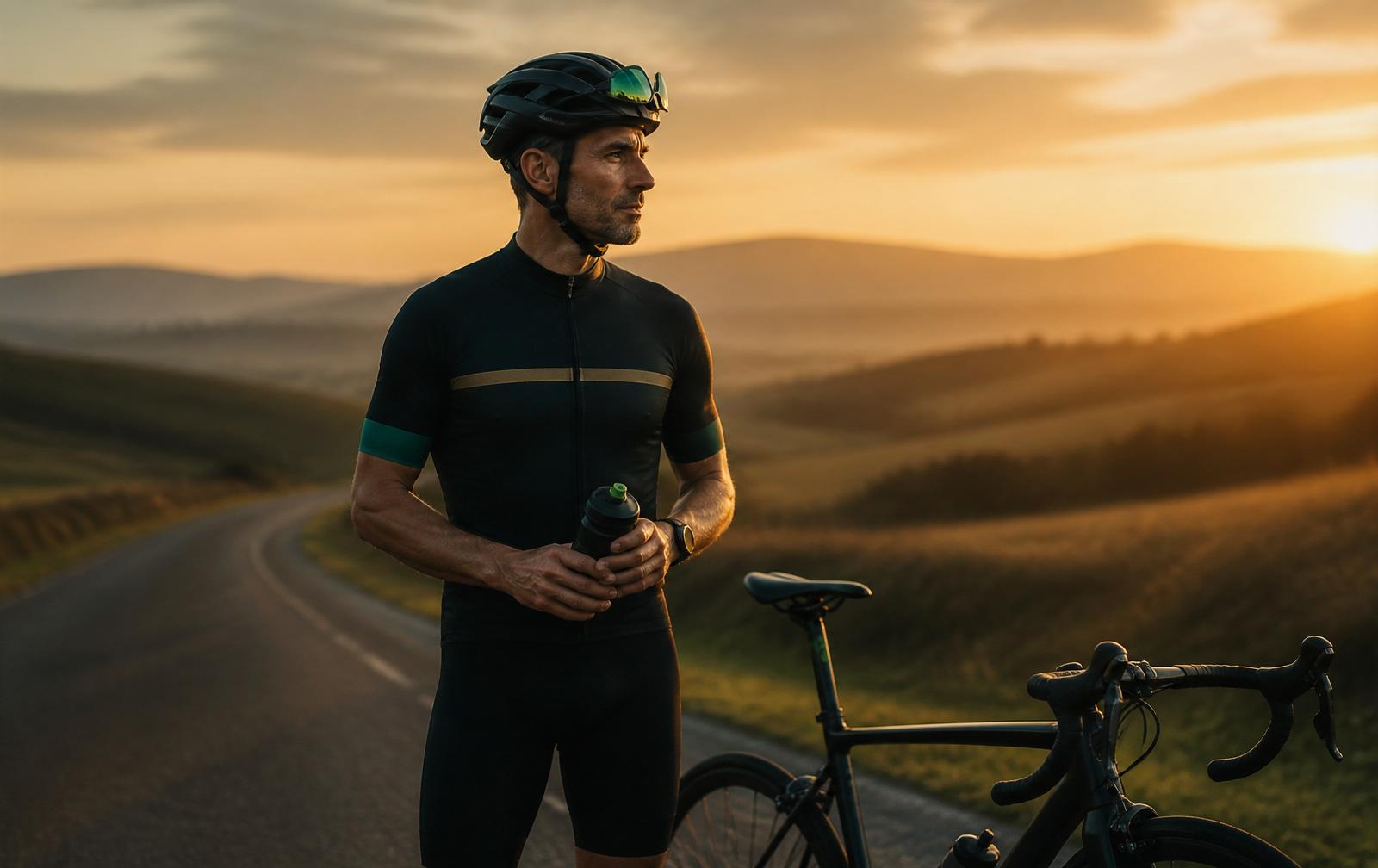
Endurance performance is not determined only by fitness. It is also influenced by how well the athlete fuels, hydrates, recovers, and prepares for the demands of the session.
A rider may have the strength and cardiovascular fitness to complete a long workout, but inadequate nutrition can make the final miles feel unnecessarily difficult. The familiar late-ride crash is often not a lack of motivation. It may reflect inadequate carbohydrate intake, dehydration, poor pacing, insufficient recovery, or a combination of several factors.
A better strategy begins before the ride and continues through the hours afterward.
The Fuel the Code Performance Ignition Stack is designed to complement that strategy with products selected to support workout preparation, circulation, cellular energy, focus, and daily wellness. However, no supplement can replace the carbohydrates, fluids, electrolytes, protein, and calories required for endurance training.
"Fitness determines what your body can do. Fueling helps determine how long you can keep doing it."
Why Endurance Fueling Is Different
Longer exercise sessions place different demands on the body than short strength workouts or brief recreational activity.
Energy Demand Increases
Longer rides and endurance sessions require sustained energy. Athletes who begin under-fueled may struggle to maintain pace, power, focus, and motivation later in the workout.
Carbohydrates Become More Important
Carbohydrates are an important fuel source during moderate- and high-intensity exercise. Longer or harder sessions generally require more deliberate carbohydrate planning.
Fluid and Electrolyte Losses Accumulate
Sweat losses increase over time and may be greater in hot, humid, or windy conditions. Hydration plans should account for the environment and the athlete's individual sweat rate.
Recovery Needs Increase
Long sessions use energy, create fatigue, and increase the importance of post-workout nutrition, hydration, sleep, and easier training days.
Start Fueling Before the Ride
Endurance nutrition begins before the athlete gets on the bike. A pre-ride meal should provide usable energy without creating excessive fullness or digestive discomfort.
Rides 2–3 hours after eating
- Oatmeal with banana, berries, and Greek yogurt
- Eggs with toast, fruit, and oatmeal
- Rice with eggs or lean protein
- Turkey sandwich with fruit
- Yogurt with granola, oats, and honey
- Pancakes or waffles with fruit and a moderate protein serving
Early-morning or soon after waking
- Banana
- Toast with honey or jam
- Applesauce
- Small bowl of oatmeal
- Granola bar
- Light smoothie
- Sports drink when solid food is difficult
The best pre-ride meal depends on duration, intensity, start time, food tolerance, and what the athlete ate the previous day.
Do not wait until you feel depleted to begin fueling.
Carbohydrates Are Endurance Fuel
Carbohydrates help support sustained moderate- and high-intensity exercise. Carbohydrate needs vary based on:
- Ride duration
- Intensity
- Body size
- Training status
- Environmental conditions
- Personal tolerance
- Whether the athlete begins fully fueled
Shorter, easier rides
Water and normal meals may be sufficient for many athletes.
Moderate rides
A small amount of carbohydrate during the session may help maintain energy and focus.
Long, hard, or competitive rides
A planned carbohydrate strategy becomes increasingly important.
Practical on-bike carbohydrate options:
- Bananas
- Dates
- Fig bars
- Energy chews
- Sports drink
- Gels
- Rice cakes
- Small sandwiches
- Pretzels
- Low-fiber bars
- Homemade cycling snacks
Athletes should practice their fueling strategy during training before using it in a race or important event.
Build a Fueling Schedule
Many endurance athletes wait until hunger appears before eating. By that point, energy levels may already be declining.
- 1
Before the Ride
Eat an appropriate meal or snack, drink fluids, and confirm that bottles and ride food are prepared.
- 2
Early in the Ride
Begin drinking and consuming small amounts of fuel before fatigue or strong hunger develops.
- 3
Middle of the Ride
Continue eating and drinking at regular intervals. Adjust based on pace, heat, elevation, and ride duration.
- 4
Final Portion
Continue fueling instead of stopping intake because the ride is nearly complete. The final hour may contain the hardest efforts.
- 5
After the Ride
Replace fluids and eat a balanced recovery meal containing protein and carbohydrates.
"Fuel early enough to protect the final hour."
Hydration Is Individual
There is no single fluid amount appropriate for every cyclist. Hydration needs vary according to:
- Temperature
- Humidity
- Wind
- Ride intensity
- Body size
- Sweat rate
- Clothing
- Acclimation
- Ride duration
Practical hydration habits:
- Begin the ride reasonably hydrated
- Carry enough fluid or plan refill locations
- Drink regularly rather than waiting for intense thirst
- Increase attention to fluids in hot conditions
- Avoid forcing excessive amounts of water
- Practice hydration strategies during training
- Review how body weight, thirst, urine color, and performance change after long rides
Urine color can be a general hydration clue but is not a medical diagnostic tool.
When Electrolytes Matter
Sweat contains water and electrolytes, including sodium. Electrolyte intake may become more relevant during:
- Long rides
- Hot-weather training
- Heavy sweating
- Back-to-back training days
- Events lasting several hours
- Sessions in which large amounts of fluid are consumed
Individual sodium needs differ and more is not always better. Consider food, sports drinks, electrolyte mixes, and the sodium already present in your fueling products.
Support the Ride Beyond Basic Fueling
The Fuel the Code Performance Ignition Stack is designed to complement workout preparation, energy metabolism, circulation, focus, and daily wellness. It should be used alongside — not instead of — adequate carbohydrates, fluids, electrolytes, calories, and recovery.
Nitric Shock Pre-Workout
Purpose: Designed to support workout energy, focus, and training intensity.
Cycling context: Best fit before higher-intensity rides, interval sessions, races, or structured workouts.
Review the Supplement Facts panel for caffeine and other stimulating ingredients. Avoid combining with excessive coffee, energy drinks, or other stimulant products.
Beetroot
Purpose: Provides naturally occurring dietary nitrates used in the body's nitric oxide pathway.
Cycling context: Commonly included in endurance routines intended to support circulation and exercise efficiency.
Individual responses vary. Beetroot is not a substitute for training or proper fueling.
CoQ10
Purpose: Naturally involved in cellular energy production and functions as an antioxidant.
Cycling context: Part of a consistent daily wellness routine rather than an immediate source of workout energy.
Not a guarantee of more power, speed, or endurance.
B-12 Drops
Purpose: Vitamin B12 supports normal energy metabolism, nerve function, and red blood cell formation.
Cycling context: Particularly relevant for individuals who do not obtain enough B12 through their diet.
Additional B12 does not automatically create an energy boost when B12 status is already adequate.
Mushroom 10X
Purpose: A multi-mushroom blend designed to complement a broader performance and wellness routine.
Cycling context: Daily wellness support rather than an immediate stimulant or guaranteed endurance enhancer.
Review the full ingredient panel and follow the label directions.
Caffeine Can Help — or Hurt
Caffeine is commonly used before endurance exercise, but timing and total intake matter. Considerations include:
- Personal caffeine sensitivity
- Time of day
- Amount already consumed through coffee or energy drinks
- Caffeine contained in pre-workout products, gels, and chews
- Ride duration
- Sleep schedule
- Gastrointestinal tolerance
Late-day caffeine can interfere with sleep and recovery.
"A stimulant that improves one workout but disrupts the entire night may reduce long-term performance."
Train the Digestive System
Endurance athletes should practice eating and drinking during training. The digestive system may need time to become comfortable with:
- Frequent carbohydrate intake
- Sports drinks
- Gels
- Solid foods
- Higher fluid volumes
- Race-day fueling combinations
Begin with familiar foods and gradually test your strategy. Track:
- What was consumed
- When it was consumed
- Energy levels
- Stomach comfort
- Thirst
- Cramping
- Ride intensity
- Weather conditions
Never introduce an entirely new fueling plan during an important race or long event.
Avoid the Mid-Ride Crash
Common Causes of the Endurance Crash
- Starting the ride under-fueled
- Waiting too long to eat
- Inadequate carbohydrate intake
- Dehydration
- Insufficient electrolytes for the conditions
- Starting too hard
- Poor sleep
- Inadequate recovery from prior training
- Excessive heat
- Relying on caffeine instead of food
- Carrying too little fuel
How to Reduce the Risk
- Eat before the ride
- Carry more fuel than the minimum expected
- Begin consuming fuel early
- Drink consistently
- Adjust pace in heat or strong wind
- Practice the plan during training
- Protect sleep before long rides
- Review what worked after each session
Recovery Nutrition After the Ride
Post-ride nutrition should help replace energy, provide protein, and restore fluids. A balanced recovery meal may include:
- A quality protein source
- Carbohydrates appropriate for the ride
- Fruits or vegetables
- Fluids
- Sodium or electrolytes when needed
Practical recovery meals:
- Chicken, rice, and vegetables
- Salmon, potatoes, and greens
- Eggs, toast, oatmeal, and fruit
- Greek yogurt with oats, berries, and honey
- Turkey sandwich with fruit and milk
- Protein smoothie with fruit and oats
- Burrito bowl with rice, beans, lean protein, and vegetables
Carbohydrates become especially important when another demanding workout is scheduled within the next day.
Protein Supports Recovery
Cyclists sometimes focus heavily on carbohydrates while overlooking protein. Protein supports muscle maintenance and repair after training. Distribute protein across meals throughout the day rather than relying on one very large serving.
- Eggs
- Greek yogurt
- Cottage cheese
- Chicken
- Turkey
- Fish
- Lean beef
- Milk
- Tofu
- Tempeh
- Beans and lentils
- Protein shakes when convenient
Individual protein needs depend on body size, training demands, dietary preferences, health status, and goals.
Fueling for Weight Management
Some cyclists intentionally under-eat because they want to lose weight. Aggressive calorie restriction may make it more difficult to:
- Complete quality workouts
- Maintain power
- Recover
- Preserve muscle
- Sleep well
- Control hunger later in the day
- Train consistently
Separate strategic weight-management goals from the immediate need to fuel demanding sessions.
"Under-fueling may reduce body weight temporarily, but it can also reduce the quality of the training meant to improve performance."
Long Ride Preparation Checklist
Night Before
- Eat a balanced dinner
- Prepare bottles
- Organize ride food
- Charge electronic equipment
- Review weather and route
- Protect sleep
- Avoid experimenting with unfamiliar food
Morning of the Ride
- Eat a familiar meal
- Begin hydrating
- Use supplements according to their labels
- Check caffeine totals
- Pack more fuel than expected
- Confirm refill locations when necessary
During the Ride
- Fuel early
- Drink consistently
- Adjust for heat and intensity
- Pay attention to energy and stomach comfort
- Do not wait for severe hunger or thirst
After the Ride
- Replace fluids
- Eat protein and carbohydrates
- Complete a cool-down
- Take note of what worked
- Prioritize sleep and recovery
Sample Endurance-Fueling Framework
Flexible example — not a medical or sports-nutrition prescription.
Short Easy Ride
Normal daily meals, water as needed, and a small snack if hunger develops.
Moderate Training Ride
Pre-ride meal or snack, fluids, and planned carbohydrate intake depending on duration and intensity.
Long Endurance Ride
Substantial pre-ride meal, regular carbohydrate intake, fluids, electrolytes as appropriate, and a complete post-ride recovery meal.
Race or High-Intensity Event
A practiced fueling and hydration strategy that has already been tested during similar training sessions.
This framework is educational and should be adjusted for the athlete's health, goals, body size, food tolerance, conditions, and training demands.
Performance Is Built Across the Entire Week
Successful endurance nutrition is not limited to what happens during one ride. Weekly habits matter, including:
- Total calorie intake
- Protein distribution
- Carbohydrate availability
- Hydration
- Sleep
- Fruits and vegetables
- Healthy fats
- Rest days
- Training load
- Stress management
"The long ride reveals the habits built during the rest of the week."
Consistency Beats the Perfect Fueling Plan
No fueling strategy works perfectly every time. Weather changes. Ride intensity changes. Appetite changes. Routes become longer than expected. The goal is to create a repeatable system that can be adjusted.
- Use familiar foods
- Keep emergency fuel available
- Review each long ride
- Make one adjustment at a time
- Avoid copying another athlete's plan without testing it
- Focus on consistency instead of perfection
"Fuel the work you are asking your body to perform."
Ride Strong Through the Final Mile
Endurance performance requires more than determination. It requires preparation, pacing, fuel, hydration, recovery, and the willingness to adjust the plan based on the demands of the day.
The Fuel the Code Performance Ignition Stack is designed to complement that system with a goal-based approach to workout preparation, circulation, cellular energy, focus, and daily wellness. The stack supports the routine. Nutrition fuels the ride. Training builds the athlete.
Fuel early. Ride steady. Finish strong.
Ignite Your Endurance Routine
Build a more intentional approach to cycling performance with smart fueling, consistent hydration, focused training, and a coordinated performance stack.
Looking for individual products or subscription options? Shop through Fuel the Code.
These statements have not been evaluated by the Food and Drug Administration. Fuel the Code products and educational content are not intended to diagnose, treat, cure, or prevent any disease. Dietary supplements should complement, not replace, adequate nutrition, hydration, appropriate exercise, recovery, and professional medical care. Individual nutrition and hydration needs vary. Follow all product directions and consult a qualified healthcare professional or sports dietitian before use, especially if you take medications, have a medical condition, are pregnant or nursing, are sensitive to stimulants, or are preparing for a demanding endurance event.